El Niño and Southern Africa: Positioning for 2027
Forecasts point to a possible El Niño forming in late 2026 and biting through 2027. For southern African agriculture, water and power, the time to prepare is now — not when the rains fail.
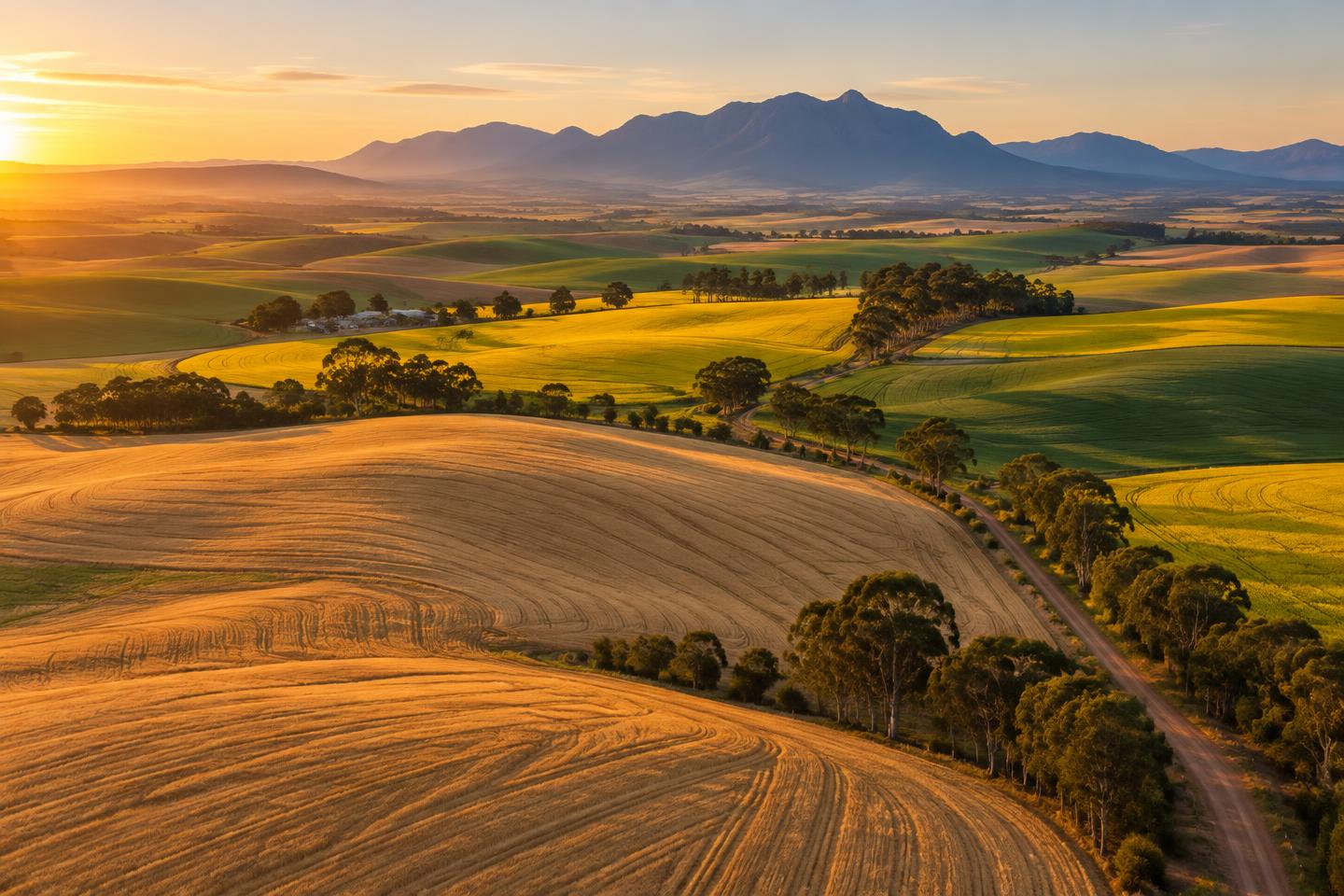
Photograph — editorial composite
The Pacific is warming again. Forecast models increasingly point to an El Niño forming in late 2026 and persisting through the 2027 austral summer — the season that decides whether southern Africa's maize crop makes it or not.
The region has been here before. The 2023/24 El Niño produced one of the worst droughts in decades across Zimbabwe, Zambia and Malawi, cutting maize output sharply and pushing millions into food insecurity. The lesson was not that El Niño is unpredictable — the forecasts were right — but that preparation lagged the forecast by a full season.
A 2027 event would likely mean late rains, a dry spell in the critical January–February flowering window, and knock-on stress for hydropower at Kariba and for livestock herds still rebuilt from the last drought.
The asymmetry is the point: preparing for a drought that doesn't arrive costs little; not preparing for one that does costs a season. A maize farmer in the Free State, for instance, could use the next planting window to shift part of his ground to shorter-season, drought-tolerant cultivars, secure his seed and input contracts early, and line up supplemental irrigation or a fodder reserve before January — so that a dry flowering window in February becomes a reduced harvest instead of a lost one.
— End of piece —