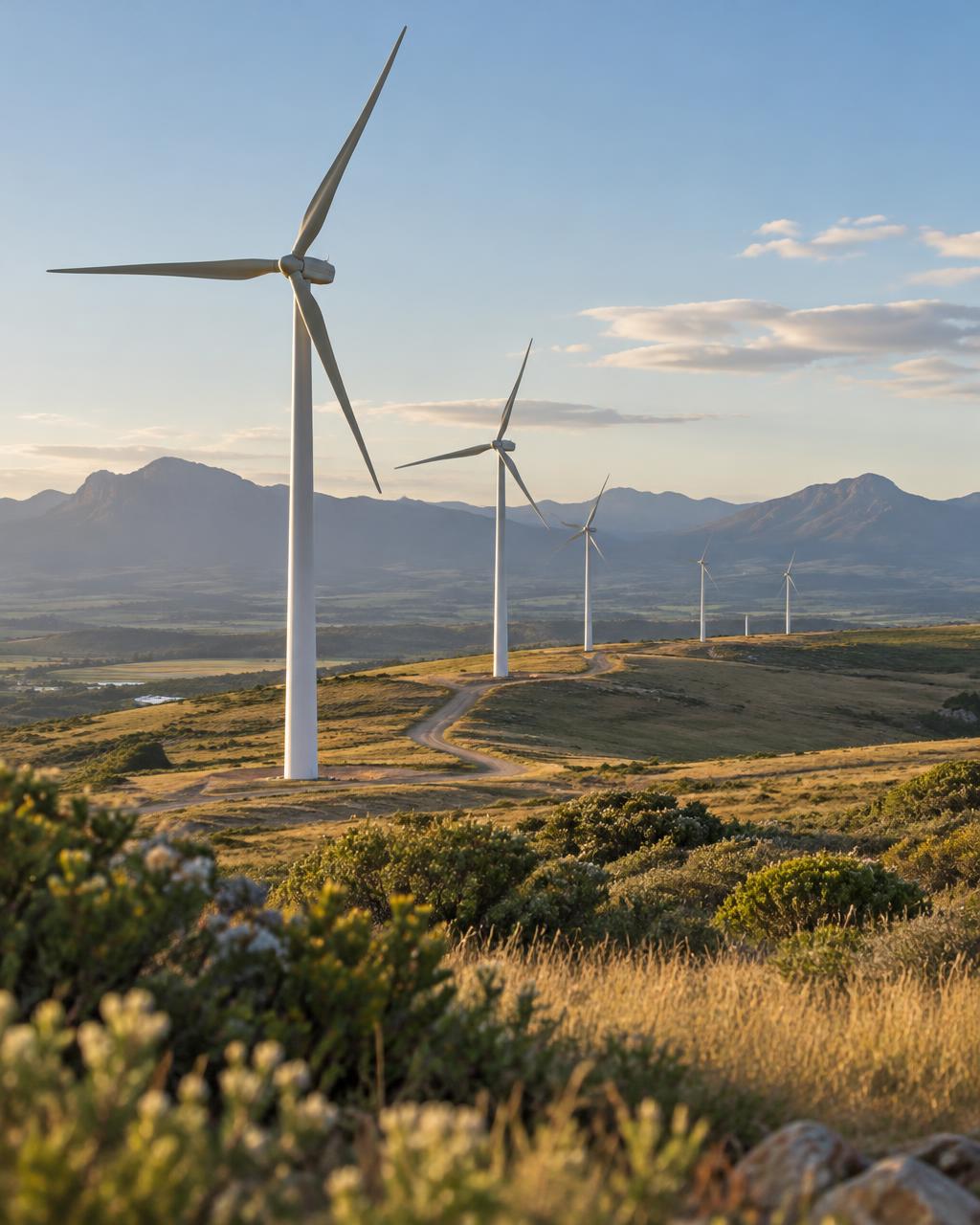
Carbon Copy: A Market Splitting in Two
The voluntary carbon market is stuck. A larger, compliance-linked market — driven by CBAM, Article 6 and aviation mandates — is where the capital will flow.
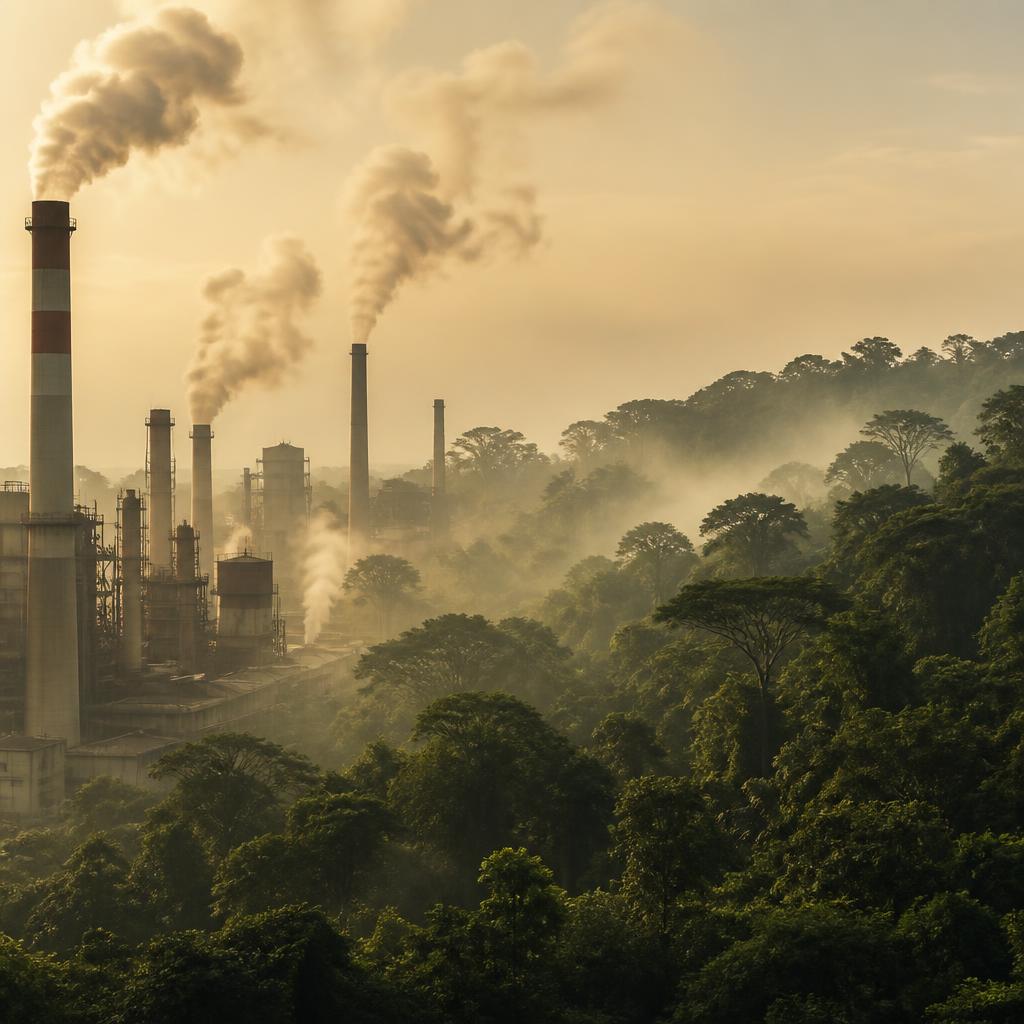
Photograph — editorial composite
The market for carbon credits is splitting in two. One half is dying; the other is just being born.
For most of the 2020s, the voluntary carbon market (VCM) was the climate world's perpetual bridesmaid: forever about to have its moment, forever disappointed by scandal, oversupply and buyers' remorse. That reputation is only half-deserved today, and the half that survives is instructive. The VCM proper — companies buying credits from forestry, cookstove or renewable-energy projects to offset their own emissions — remains stuck. Credit retirements, the best proxy for actual demand, fell by roughly 7% in 2025, even as corporate net-zero pledges tracked by the Science Based Targets initiative surged 227% over the preceding 18 months. Ambition, in other words, is being decoupled from action. Meanwhile a global stockpile of unretired credits has swollen to nearly 1 billion tonnes, a supply overhang that keeps a lid on prices for anything but the most pristine projects.
Layered on top of this moribund voluntary market, however, is something genuinely new: a fast-growing compliance and quasi-compliance architecture that is dragging carbon pricing out of the corner of corporate-social-responsibility departments and into the machinery of trade policy, industrial strategy and infrastructure finance. It is this second market — messier, more bureaucratic, and much larger in dollar terms — that will determine where the profits sit over the next few years.
The compliance tail now wags the voluntary dog. Estimates of the "carbon credit market" vary wildly depending on what is counted — anywhere from a voluntary-market rump worth $2 billion to broad definitions that lump in compliance allowances and reach into the hundreds of billions of dollars — but the direction of travel is unambiguous. Compliance schemes, not voluntary offsetting, account for the overwhelming majority of dollars changing hands, and their share is rising. Carbon pricing now touches close to 30% of global greenhouse-gas emissions across roughly 90 implemented policies, and 2025 issuances of compliance-linked credits rose 8% even as voluntary retirements fell.
The most consequential development is the maturing of the European Union's Carbon Border Adjustment Mechanism (CBAM). From January 2026, CBAM entered its definitive phase, requiring importers of steel, cement, aluminium, fertiliser, hydrogen and electricity to buy certificates pegged to the EU's own emissions-trading price — which has averaged in the €75-83 per tonne range in early 2026, itself up more than a fifth year-on-year. In May, Brussels published draft rules allowing importers to net off carbon prices already paid at home, but capped the use of international Article 6 credits at just 10% of an importer's liability, with anything above that threshold worth nothing towards compliance. The message to trading partners is blunt: build your own domestic carbon price, or pay Europe's. Malaysia, Vietnam and others are moving to do exactly that, less out of climate conviction than commercial necessity.
Article 6 of the Paris Agreement, the long-awaited framework for country-to-country trading of emissions reductions, is finally becoming operational after a decade of technical wrangling, with methodologies under Article 6.4 progressing and the first cooperative deals under Article 6.2 being struck between governments. This matters because it creates, for the first time, a plausible bridge between the sovereign world of national climate pledges and the corporate world of offset purchases — precisely the bridge CBAM's drafters are now fighting over.
Where the money will actually be made. Four pools of profit stand out. First, carbon removal, not avoidance. Buyers — especially the minority of large, sophisticated corporates that still dominate voluntary demand — have decisively rotated away from cheap "avoidance" credits (renewable energy, forest protection) towards higher-priced "removal" credits that durably pull carbon out of the atmosphere. Prices reflect the divide starkly: nature-based offsets trade around €7-24 a tonne, engineered removals such as direct air capture and enhanced weathering fetch €150-500. Roughly four-fifths of high-durability removal capacity currently under development risks stranding without long-term offtake contracts, which is exactly the kind of supply gap that private capital exists to fill — provided it can stomach a market where over a third of removal offtake deals in 2025 were struck by undisclosed buyers, a sign of "greenhushing" that clouds price discovery.
Second, compliance-adjacent advisory and technology. CBAM alone has created an entirely new compliance industry: emissions accounting, third-country carbon-price verification, and CBAM-certificate hedging. Expect banks, trading houses and specialist software firms to build businesses around this the way they once did around EU ETS compliance in the 2010s.
Third, quality infrastructure and ratings. With the Integrity Council for the Voluntary Carbon Market's Core Carbon Principles now shaping which credits buyers will touch, the registries, raters and MRV (measurement, reporting, verification) technology providers that can certify integrity are becoming gatekeepers — and are pricing themselves accordingly. High-integrity credits already cost roughly three times as much as low-quality alternatives.
Fourth, aviation and shipping compliance demand. CORSIA, the aviation sector's offsetting scheme, and parallel moves to fold carbon-dioxide removal into sustainable-aviation-fuel mandates (the UK is furthest along) could generate the first true large-scale compliance demand for CDR credits outside the EU ETS orbit — a market segment several specialist project developers are positioning for now.
The unresolved risks. None of this is a sure thing. Three fault lines stand out. First, integrity: the market's credibility has already been dented once by investigations into over-credited forestry projects, and a repeat scandal — especially in fast-growing removal categories still short on long-term monitoring data — could freeze buyer appetite again. Second, politics: CBAM's Article 6 carve-out is opposed by the European Parliament's own environment committee as "premature and counterproductive," and the rulemaking is not final; a tighter final text would blunt one of the main channels linking voluntary supply to compliance demand. Third, concentration risk: with anonymous buyers now dominating a majority of spot retirements and a large share of removal offtake, the market lacks the transparent price signals that normally attract institutional capital at scale.
The tired narrative of carbon credits as a greenwashing sideshow is becoming obsolete. What is emerging instead is a bifurcated market: a voluntary segment that will likely stay small, scrutinised and slow-growing, and a compliance-linked segment — driven by the EU's border carbon tax, the slow activation of Article 6, and sector-specific mandates in aviation — that is where the real capital, and the real profits, will increasingly flow between now and 2030. Investors chasing "carbon credits" as a single asset class are chasing the wrong thing; the opportunity lies in picking the right half of a market that is rapidly pulling itself apart.
— End of piece —